How to Create a Wellness-Focused Home Environment
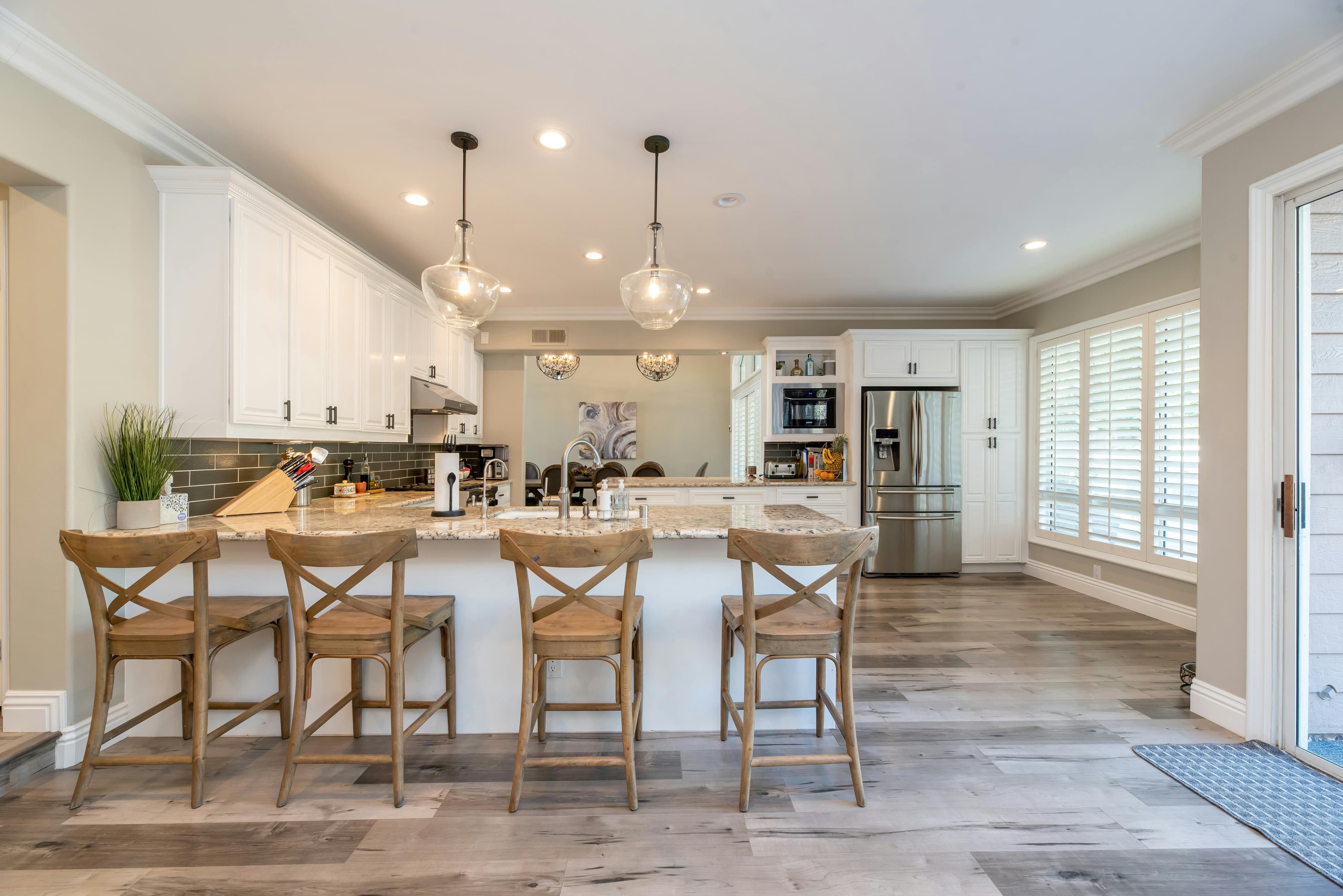
Creating a home environment that promotes wellness goes beyond just keeping things clean—it’s about designing a space that supports your mental, emotional, and physical well-being. A wellness-focused home environment serves as a sanctuary that rejuvenates your spirit and helps you maintain balance amidst the chaos of daily life. Here’s how to create a home that nurtures your health and happiness from the inside out.
Contents
Design With Natural Light and Fresh Air in Mind
Natural light is a powerful mood booster. Exposure to sunlight helps regulate your circadian rhythm, improves vitamin D levels, and supports a healthier sleep cycle. Whenever possible, keep your curtains open during the day and arrange your furniture to make the most of natural light. If you live in a space with limited windows, consider adding mirrors to reflect light and create a brighter ambiance.
Fresh air is just as important. Regularly ventilate your home by opening windows, using exhaust fans, or adding air-purifying plants like snake plants, peace lilies, or pothos. Cleaner air reduces indoor pollutants, supports respiratory health, and makes your home feel more refreshing.
Advertisement
Choose Calming, Balanced Color Palettes
Colors have a psychological impact, and your home’s color scheme can influence your mood and energy levels. For a wellness-focused space, opt for soothing hues like soft blues, earthy greens, warm neutrals, or gentle pastels. These tones promote calmness and clarity, which are essential for reducing anxiety and supporting relaxation.
Avoid overly stimulating or dark colors in areas meant for rest, such as your bedroom. You can still use bold colors as accents in more energetic spaces like the kitchen or home gym.
Advertisement
Declutter for Mental Clarity
A cluttered environment can contribute to a cluttered mind. Too much visual noise can make you feel anxious, overwhelmed, or unmotivated. Decluttering is one of the simplest ways to create mental peace in your home. Start small—organize one drawer, a shelf, or a room at a time.
Embrace minimalist storage solutions that keep everyday items accessible but out of sight. Consider donating or recycling things you no longer use. A tidy space promotes mindfulness, helps you focus better, and increases feelings of control and calm.
Advertisement
Create Zones for Rest, Movement, and Mindfulness
Designate specific areas in your home for wellness activities. Having separate spaces for rest, exercise, and reflection can train your brain to associate those areas with positive habits.
-
Rest Zone: Your bedroom should be a screen-free, serene space with cozy linens, soft lighting, and calming scents like lavender.
-
Movement Zone: Set aside an area for yoga, stretching, or quick workouts. Even a yoga mat in the corner of a room can serve as a reminder to move your body.
-
Mindfulness Zone: Create a nook for reading, journaling, or meditating. Include a comfortable chair, a candle, and a soft throw to invite moments of pause.
Advertisement
Add Nature-Inspired Elements
Biophilic design—incorporating nature into your home—has been shown to improve mood, lower stress, and enhance cognitive function. Try including more natural textures like wood, stone, cotton, and wool throughout your décor.
Bring in the outdoors with houseplants, botanical prints, or water features. Even a small fountain or desktop garden can introduce calm and connection to nature, making your space feel more vibrant and alive.
Advertisement
Eliminate Harmful Chemicals and Toxins
Switch to non-toxic cleaning products, natural air fresheners, and low-VOC (volatile organic compound) paints and furniture. This reduces your exposure to harsh chemicals that can cause allergies, headaches, or more serious health issues over time.
Look for products labeled as eco-friendly, fragrance-free, and biodegradable. You can also make your own simple cleaners using vinegar, baking soda, and essential oils.
Advertisement
Personalize With Intention
A wellness home should reflect your personality and values. Display meaningful artwork, family photos, or travel souvenirs that bring you joy and comfort. These touches make your space feel safe and supportive.
Avoid overdecorating—focus on quality over quantity. A few well-placed items with emotional resonance can inspire a sense of belonging and happiness every day.
Advertisement
Final Thoughts
Creating a wellness-focused home is a gradual process, not a one-time makeover. Every small change you make—whether it’s letting in more sunlight, swapping out a harsh cleaner, or carving out time for mindfulness—contributes to a more balanced, peaceful life. Your home should not only be where you live but where you thrive.